

Authentic community engagement is the foundation for understanding and addressing the social, economic, and environmental drivers of population health and health inequities. “Community” can mean many things, from people connected by geography to those united by shared identities.
When community members are actively engaged as collaborators in planning, implementing, and evaluating health initiatives, the insights and solutions that emerge are more relevant and sustainable. The result is real progress toward better health and well-being for all.
To bring this work to life, the AAMC Center for Health Justice is launching a community engagement webinar series featuring six community engagement stories that truly “walk the talk.” The series begins on June 25, and registration is now open for all sessions. Don’t miss this opportunity to learn, connect, and be part of these timely and impactful conversations. Reserve your spot today!

Session 1:
Thursday, June 25, 2026
2–3:15 p.m. ET
This webinar brings together two powerful examples of community-driven health partnerships that demonstrate how trust, shared leadership, and cultural grounding can transform outcomes.
The session will highlight the nearly decade-long Duke AME Zion HEAL (Health Equity Advocates and Liaisons) partnership, a collaboration built on deep relationships between AME Zion faith leaders and Duke Health’s CERI (Community Engaged Research Initiative) team. Rooted in mutual respect and shared values, this collaboration has cocreated culturally relevant health-education programs, expanded access to trusted information, increased research participation, and generated significant health impact as well as millions in research funding.
In parallel, the webinar will explore Health Commons, a partnership between the University of Houston Tilman J. Fertitta Family College of Medicine and Houston’s historic Third Ward. Developed in response to long-standing marginalization and community distrust of institutions, Health Commons centers on shared power and co-leadership from the outset. By honoring the neighborhood’s rich cultural legacy and prioritizing authentic engagement, the initiative works to rebuild trust and create sustainable, community-centered change.
Session 2:
Thursday, July 16, 2026
2–3:15 p.m. ET
This webinar highlights two innovative collaborations that demonstrate how community leadership, cross-sector collaboration, and a commitment to equity can reshape systems and improve health outcomes.
The session will feature the partnership between Harvard Medical School’s Mental Health For All Lab and aves Mental Health, which centers lived experience as a driving force for change. Through programs such as the EMPOWER Peer Support Initiative and the Experts by Experience Consultancy, individuals with lived experience are not only included but compensated and empowered to shape research, policy, education, and workforce development — advancing health justice and more equitable mental health care on a global scale.
The webinar will also explore the ThriveOn Collaboration in Milwaukee. This cross-sector collaboration formed in response to social unrest to address the root causes of health disparities. Bringing together the Medical College of Wisconsin, the Greater Milwaukee Foundation, and Royal Capital, the collaboration focuses on social, economic, and environmental drivers of health. Its flagship project, ThriveOn King, has transformed a historic space into a vibrant community hub, offering housing, early childhood education, workforce opportunities, health and wellness resources, and spaces for connection. With thousands of visitors and hundreds of events in its first year, it stands as a powerful example of what’s possible when institutions invest in communities and meet people where they are.

Session 3:
Thursday, September 17, 2026
2–3:15 p.m. ET
This webinar showcases two compelling community engagement stories that demonstrate how lived experience can drive transformative, system-level change.
Grounded in the understanding that health injustice is rooted in power differentials, one story traces the creation of Health Equity And Leadership (HEAL), a clinic-based community-organizing initiative operating in conjunction with Oregon Health and Science University School of Medicine. Through deep engagement with communities of color in East Portland, Oregon, HEAL brought to the surface critical barriers such as lack of language access in health care, where even something as seemingly simple as medication instructions could become dangerous if not translated to the patient’s language. These community insights catalyzed a statewide coalition and ultimately led to the passage of the most inclusive medication-label-translation legislation in Oregon in 2019. Beyond policy wins, HEAL has mobilized communities to secure $67 million in additional affordable housing and to foster social connection during COVID-19 isolation. HEAL is now launching an innovative medical home for individuals returning from incarceration, all guided by community voice and leadership.
This webinar will also highlight a multi-year collaboration at Virginia Tech Carilion School of Medicine that reimagines medical education through authentic community engagement. Developed in partnership with community advocates, individuals with lived experience, and interdisciplinary professionals, this initiative centers community members as co-educators and curriculum architects, not guest speakers. Grounded in trauma-informed principles, the curriculum integrates community-informed cases, standardized patient encounters, and longitudinal learner experiences. Shared decision-making, equitable compensation, and continuous improvement processes ensure that community voices shape all aspects of design and implementation.
Session 1 Speakers
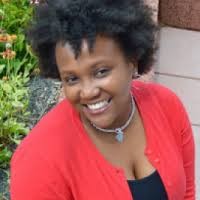
Kenisha Bethea, MPH, CHES
Project planner II, Community Engaged Research Initiative (CERI)
Duke University Health System
Kenisha Bethea, MPH, CHES, is a proud Durham, North Carolina, native with over 20 years of community engagement experience. She has always had a particular interest in working to address health disparities and inequities, where she has applied her public health training and expertise in various settings, with the goal of improving health outcomes within the community and health care systems. As a project planner II with the Duke Clinical and Translational Science Institute’s CERI, she provides project management and operational leadership for conducting population and community research focused on improving health and disseminating best practices.
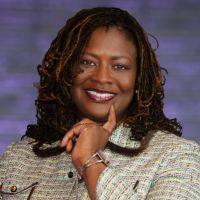
Amy S. Ciceron, DMin
Pastor
East Stonewall African Methodist Episcopal (AME) Zion Church
The Rev. Dr. Amy S. Ciceron, a native of Lamar, South Carolina, attended Winthrop University, in Rock Hill, South Carolina, and graduated with a bachelor’s degree in social work. She later attended Hood Theological Seminary, in Salisbury, North Carolina, and United Theological Seminary, in Dayton, Ohio, graduating with a master of divinity and a doctor of ministry, respectively. Ciceron has served as pastor of the Reeves Temple AME Zion Church, in Davidson, North Carolina; the Shiloh AME Zion Church, in Statesville, North Carolina; and St. Julia AME Zion Church, in Jacksonville, North Carolina. Currently, she is the pastor of East Stonewall AME Zion Church, in Charlotte, North Carolina. Ciceron also spent 15 years as a social worker in the Charlotte-Mecklenburg area of North Carolina.
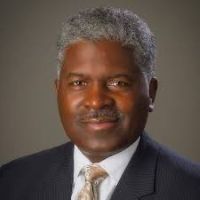
Julian Charles Pridgen, DMin
Senior pastor
St. Mark AME Zion Church
The Rev. Dr. Julian Charles Pridgen is a pastor and leader in the AME Zion Church, where he currently serves as the senior pastor of St. Mark AME Zion Church in Durham, North Carolina. In 2025 he was nominated for induction into the Bishop Alfred G. Dunston Jr. College of Preachers, Lecturers, and Scholars; Pidgen is a recognized leader in theology and ministry. His interest in health comes from a theological understanding that Christ is incarnate in community, and when we care for one another, we care for the body of Christ. Pidgen believes in this tangible, joint venture between the church and medical research, understanding the work of God’s church as caring for both bodies and souls.
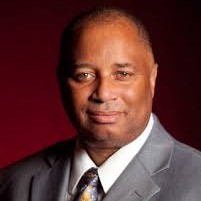
Orlando Dowdy, DMin, PsyD
Presiding elder
AME Zion Church
The Rev. Dr. Orlando Dowdy is an experienced pastor and psychotherapist skilled at nonprofit organizing, pastoral care, counseling, conflict resolution, and leading training workshops. He is a 20-year military veteran and former law enforcement officer. Also, he served as a cochair on the review committee for the Population Health Improvement Awards in 2021 and been a CERI Community Advisory Council member. He works to minimize health disparities and inequities while advocating for greater involvement in clinical research.
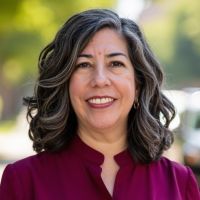
Linda Civallero, MPH
Executive director, community engagement
University of Houston Tilman J. Fertitta Family College of Medicine
Linda Civallero is a native Houstonian who is committed to improving health in her community. She is the executive director of community engagement at the University of Houston Tilman J. Fertitta Family College of Medicine, working to build shared governance with community partners. Civallero is an intermediate-level sociocracy practitioner — sociocracy is a governance system best suited for organizations that want to manage themselves based on the values of equality — with experience in community engagement, meeting facilitation, and mediation.

Shala Massey
Sociocracy trainer and coach
Every Step
Shala Massey is a certified sociocracy trainer, a Sociocracy for All (SoFA) professional partner, and an active member of SoFA’s Communities Support, Co-op, and Mission circles. Massey is a sociocracy coach for the Health Commons, supporting governance design and collaborative leadership across community, clinical, and academic partnerships. With more than a decade of experience in collective healing and social change, Massey helps organizations build transparent, equitable governance systems that strengthen shared decision-making and long-term resilience.
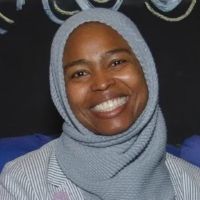
Tamika Evans
Codirector
Sankofa Research Institute
As codirector of the Sankofa Research Institute, Tamika Evans stewards projects that cocreate community-identified outcomes advancing health, wealth, and wellness through mutually beneficial economic strategies. She works to reclaim, pioneer, and codesign equitable solutions for community well-being. Evans is committed to building spaces where voices are heard, relationships are strengthened, and collective knowledge leads to thriving, resilient communities.
Session 2 Speakers
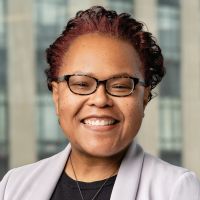
Staci A. Young, PhD
Professor, Department of Family and Community Medicine
Senior associate dean for community engagement
Medical College of Wisconsin (MCW)
Staci A. Young, PhD, is the senior associate dean for community engagement at MCW. Young is deeply committed to teaching and mentoring MCW medical students and other graduate students. This includes those in the urban and community health pathway, the master’s in public health program, the PhD program in public and community health, and trainees in the academic primary care fellowship. Young is also an advisor to the medical student managers of the Saturday Clinic for the Uninsured.
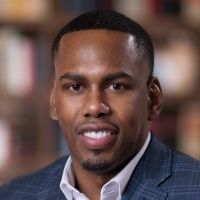
Kevin L. Newell, MBA
Founder and chief executive officer
Royal Capital Group
Kevin L. Newell is the founder of Royal Capital Group and has served as CEO since 2010. As leader of the organization, he serves as an advocate for urban planning that is aligned with the aim to provide quality, safe, affordable lifestyle campuses that are in the best interest of the community he serves.
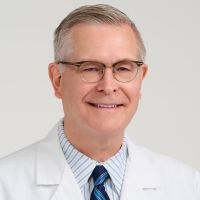
John R. Raymond Sr., MD
President and CEO
Medical College of Wisconsin
John R. Raymond Sr., MD, the MCW’s president and CEO, assumed the position as its sixth president on July 1, 2010. Under Raymond’s leadership, MCW has collaborated with the Greater Milwaukee Foundation (GMF) and Royal Capital Group to build the ThriveOn King building, a cornerstone of the ThriveOn Collaboration, which brings economic and social benefit to the Milwaukee community.
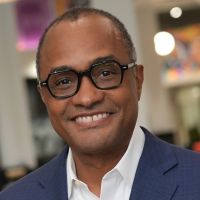
Gregory M. Wesley, JD
President and chief executive officer
Greater Milwaukee Foundation
Gregory M. Wesley, JD, is the president and CEO of the Greater Milwaukee Foundation. Wesley is committed to building a thriving community where cross-sector relationships between business, civic, philanthropic, and public policy entities work together to improve lives.
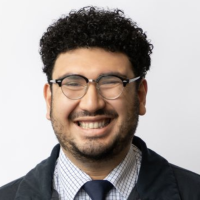
Ernesto Isaac Lara, MA
Global mental health and lived-experience researcher
Harvard Medical School
Ernesto Isaac Lara is a lived-experience researcher and youth activist at the Mental Health for All Lab at Harvard Medical School, where he leads the EMPOWER Peer Support initiative and supports the Ready initiative — two global efforts to expand the peer workforce and authentically integrate lived expertise in mental health research. An incoming Eugene Cota-Robles fellow and PhD student in health policy and management at the UCLA Fielding School of Public Health, Lara brings both scholarly rigor and deep personal commitment to building a more equitable global mental health ecosystem, through peer- and lived-experience-led approaches.

Taylor Locke
Expert by experience (EBE) consultant
aves Mental Health
Taylor Locke is an award-winning mental health advocate, serving on the Board of Management and as an EBE consultant for aves Mental Health. They are involved with numerous national and international organizations and have contributed to policy reports for the United Nations, G20 Summit, and World Bank.
Session 3 Speakers
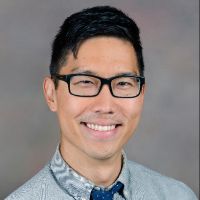
Brian Park, MD, MPH
Medical director, OHSU Health Equity
Director, OHSU RELATE Lab
Oregon Health and Science University (OHSU)
Brian Park, MD, MPH, is associate professor of family medicine at the OHSU School of Medicine, medical director of OHSU Health Equity, and founding director of the RELATE Lab, where he works to make health systems more relational, just, and community-powered. His work centers trust, power sharing, and lived expertise to help health systems think in systems but act in relationships — cocreating health programs with, and not merely for, the communities they serve.
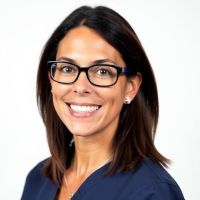
Jaclyn D. Nunziato, MD, MS
Associate professor of OB-GYN and health systems science
Virginia Tech Carilion School of Medicine
Jaclyn D. Nunziato, MD, is an obstetrician and gynecologist, medical educator, and the executive director and cofounder of Huddle Up Moms, a community-based organization advancing maternal-health equity in Southwest Virginia. Her work focuses on bridging clinical care with community resources to support women during pregnancy and the postpartum period, particularly in the “fourth trimester.” She leads innovative, community-driven programs that address social drivers of health and improve maternal outcomes.